A pipeline of open-pit gold projects is lining up across the Goldfields. Here is what it means for drill and blast, load and haul and civil contractors.
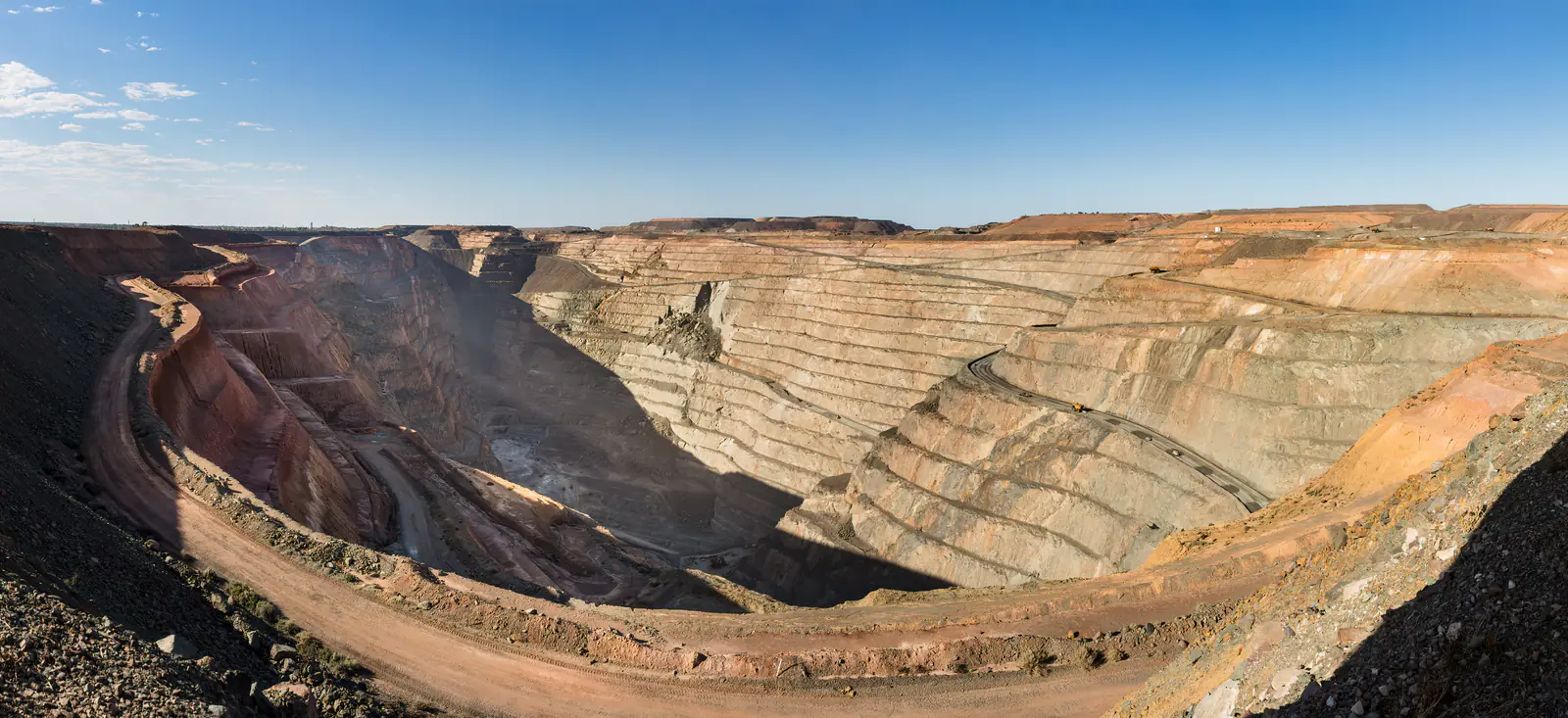
The Goldfields has seen gold booms before, but this cycle looks different. Rather than a handful of large greenfield developments, the pipeline is filling with a mix of restarts, satellite pits, pit cutbacks, heap leach projects and mid-tier producers building or reviving their own processing plants. Many are small to mid-sized, and many are being developed on a capital-light model that relies heavily on contractors.
For drill and blast, load and haul, civil and site services contractors, that creates a deep pool of work. It also creates real pressure on fleet, people and pricing.
A different kind of pipeline
Sustained high Australian dollar gold prices have changed the economics of deposits that sat on the shelf for years. Lower-grade open pits, old workings with remaining resources, and stockpiles that were once marginal are now being reassessed. Producers that previously trucked ore to third-party mills are looking at building their own plants.
Brightstar Resources is a good example of the shift. The company approved a final investment decision for its Goldfields Project, which is expected to produce around 75,000 ounces of gold a year over an initial six-year mine life. The project centres on a 1.5 million tonne per annum processing plant near Laverton. Early ore sources include the Lord Byron open pit and a restart of stoping at the Fish underground mine.
Across the region, the trend is consistent. Some near-term Eastern Goldfields developments are deliberately taking a capital-light path built on contract mining and third-party ore treatment. At the larger end, open-pit heap leach projects in the Eastern Goldfields are moving into definitive studies, bringing civil, processing and bulk earthworks packages within reach.
For contractors, this means a steady stream of tenders across many owners, rather than a few huge contracts with a handful of majors.
Drill and blast: volume and precision
Open-pit gold projects start with drill and blast, and demand is rising on two fronts.
First, there is simply more work. New pits, cutbacks and pre-strips all need grade control drilling, production drilling and blasting, often on tight schedules ahead of plant commissioning.
Second, the quality expectations are higher. Many of these projects are mining lower-grade or more variable orebodies, where dilution and ore loss have a direct impact on project economics. Owners are asking for tighter blast design, better fragmentation, movement monitoring and more precise grade control. Contractors who can show data-backed results on dilution, fragmentation and downstream mill performance are better placed than those competing on rate alone.
Load and haul: fleet availability is the pinch point
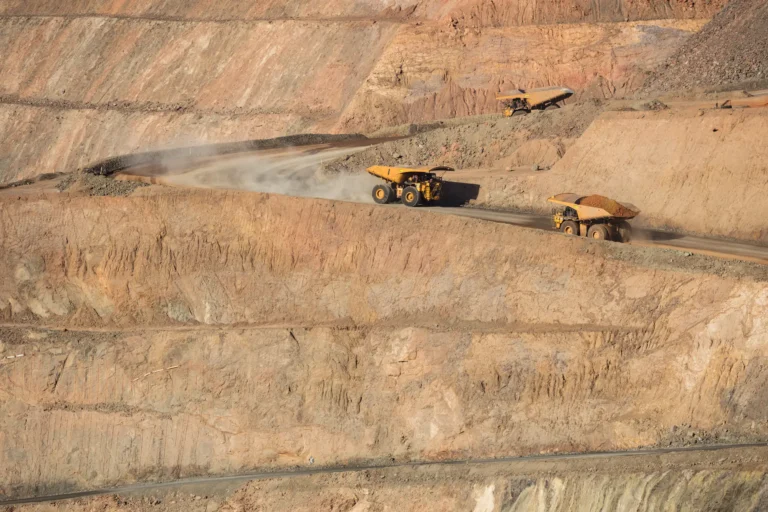
Load and haul is where the pressure is most visible. Mid-sized excavators and haul trucks in the 90 to 200 tonne class are the workhorses of most Goldfields open pits, and demand for them is strong across both gold and other commodities.
Lead times for new equipment, the cost of finance and the availability of quality used fleet all affect how quickly contractors can respond. Many smaller projects also want short initial terms, which makes it harder for contractors to justify buying new fleet against a single contract.
The contractors winning work are typically those who can mobilise quickly with available fleet, offer flexible contract structures, and demonstrate strong maintenance and availability records. Some owners are also exploring hybrid models, where they own or lease the fleet and the contractor operates and maintains it.
Civil and earthworks: the first on site
Before any ore is mined, projects need roads, pads, dams, tailings storage facilities, camp expansions, ROM pads and plant foundations. Civil and bulk earthworks contractors are often the first packages awarded and the first crews on site.
Heap leach projects add another layer, with leach pads, liners, ponds and drainage systems that require specialist construction and quality assurance. Tailings storage design and construction is also under closer regulatory scrutiny, which favours contractors with strong technical and compliance capability.
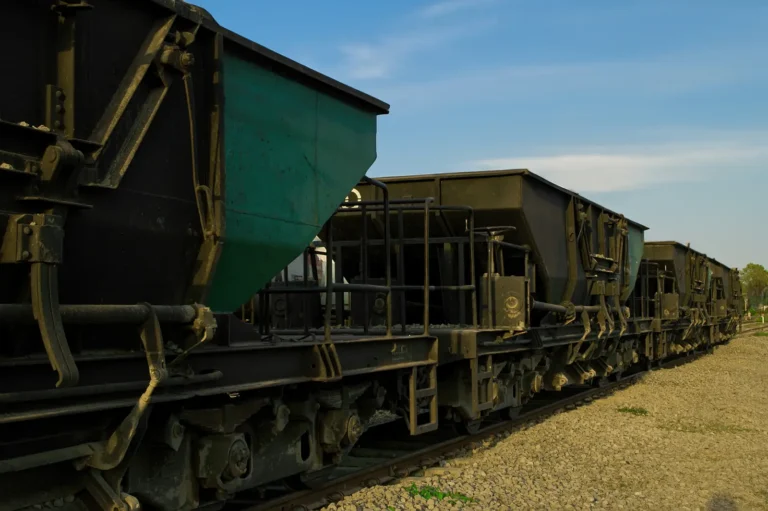
Haul roads deserve particular attention. Satellite pits are often some distance from the plant, so long haul roads and ore haulage operations, including road train haulage on public and private roads, are a significant part of many project designs. Getting these roads right from the outset has a long-term effect on haulage costs and safety.
The workforce challenge
Every contractor in the Goldfields will say the same thing: people are the real constraint. Experienced operators, maintenance technicians, auto electricians, blast crews and supervisors are in demand across mining, construction and energy projects.
Kalgoorlie-Boulder and the surrounding towns already face housing pressure, which pushes more work toward fly-in, fly-out and drive-in, drive-out rosters and increases camp demand. Contractors are competing on rosters, accommodation quality, training pathways and site culture as much as on pay.
Those investing in traineeships, local recruitment and retention programs are building a more durable advantage than those relying purely on poaching experienced crews from other sites.
Contract terms and risk
With so many projects run by juniors and mid-tier producers, contractors need to look carefully at counterparty risk. Funding, approvals and plant commissioning timelines can slip, and smaller owners may have less capacity to absorb delays or cost overruns.
Key questions for contractors include whether the project is fully funded through to production, how rise and fall is handled for fuel, labour and parts, what happens if the plant is delayed and ore cannot be processed, the minimum term and demobilisation provisions, and payment terms and security.
Alliance-style and schedule-of-rates contracts are common, but the detail matters. Clear scope, realistic schedules and fair risk sharing reduce disputes and protect margins on both sides.
Where the opportunities are
For contractors and suppliers, the next wave of Goldfields projects points to several areas of sustained demand.
Mining contractors with flexible, well-maintained mid-sized fleets and the ability to mobilise quickly.
Drill and blast specialists offering grade control, precision blasting and measurable dilution improvements.
Civil and earthworks contractors with experience in tailings, heap leach pads, haul roads and plant site preparation.
Ore haulage operators supporting satellite pits and toll treatment arrangements.
Maintenance, component rebuild and parts suppliers supporting fleets working hard across multiple sites.
Camp, catering, transport and site services providers as workforce numbers grow.
What to watch
The pace of the pipeline will depend on gold prices, funding conditions, approvals and the availability of people and equipment. Contractors should watch for final investment decisions, plant construction milestones and early works awards, as these signal when mining and civil packages are likely to go to market.
For well-prepared contractors, the Goldfields offers years of steady work. The ones that do best are likely to be those that pick their clients carefully, protect their margins through solid contract terms, and invest in the people and fleet needed to deliver.
Looking for mining, civil or site services contractors in the Goldfields? Search the Mining FM supplier directory to find service providers by category and location across Western Australia.
Sources:
E&MJ – Brightstar declares FID for Goldfields project: https://www.e-mj.com/breaking-news/brightstar-declares-fid-for-goldfields-project/
Yahoo Finance – Brightstar engages GR Engineering: https://finance.yahoo.com/news/brightstar-engages-gr-engineering-epc-101623376.html
Projectory – Gold ore mining projects: https://www.projectory.com.au/category/gold-ore-mining?page=4