Energy savings are real, but so are the integration headaches. Here is what to plan for.
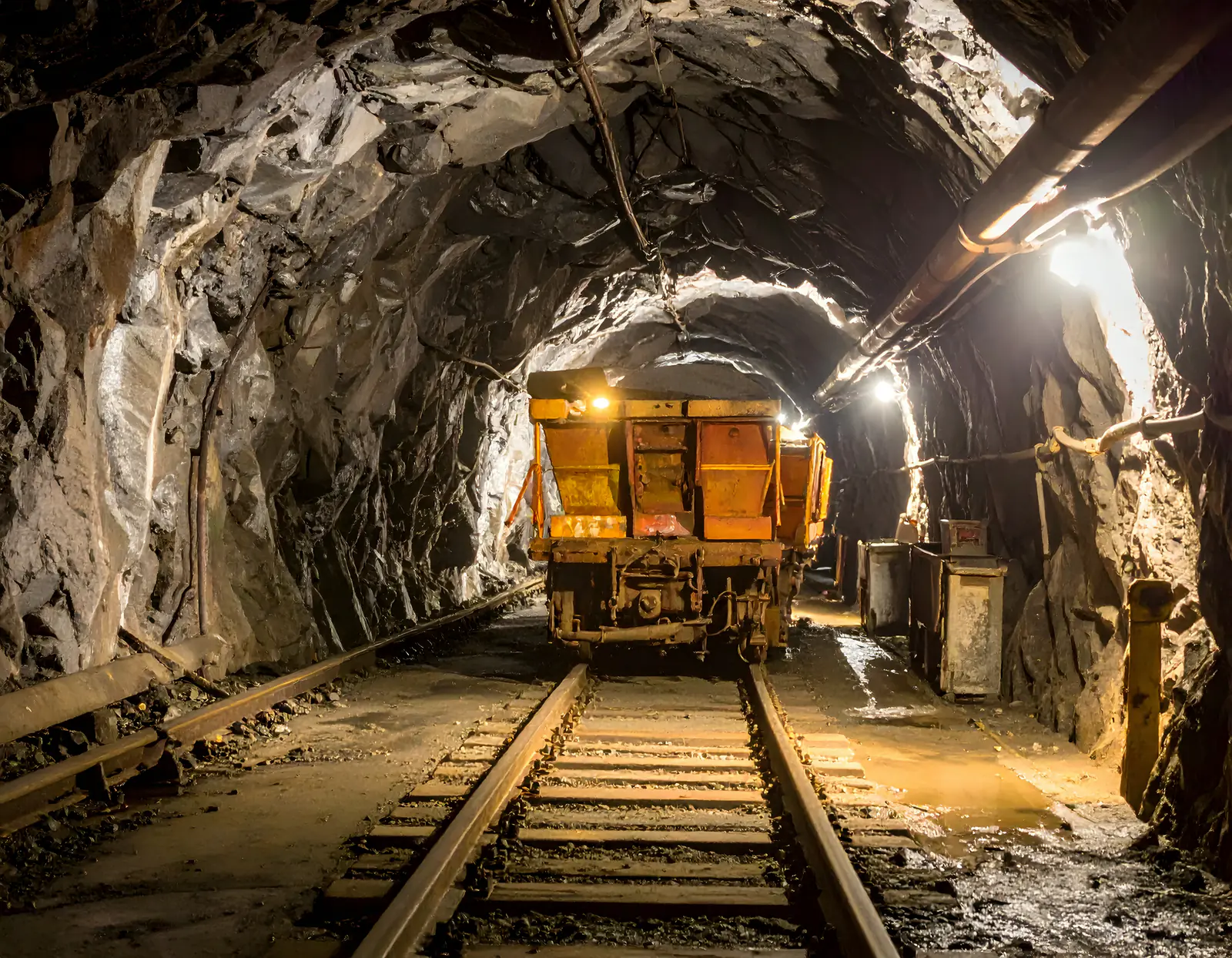
Ventilation is one of the largest costs in any underground mine. Fans run around the clock, sized for peak demand, pushing air through drives and headings that sit empty for much of the shift. Industry estimates often put ventilation at 40 per cent or more of a mine’s total energy costs, making it one of the biggest single opportunities to cut power use underground.
Ventilation-on-demand, or VOD, promises to change that by delivering air where and when it is needed, rather than everywhere all the time. The physics behind the savings is compelling. Under the fan laws, fan power varies with the cube of fan speed, so even modest reductions in airflow deliver outsized energy savings. A fan running at 80 per cent speed uses only around half the power it draws at full speed.
But VOD is not a plug-in upgrade. It touches safety-critical systems, depends on reliable underground communications, and changes how people work. Australian sites that have implemented it tend to follow one of three broad approaches, and each comes with its own lessons.
Approach one: start with the auxiliary fans
The most common entry point is secondary or auxiliary ventilation, the fans and ducting that push air into individual headings and stopes. These fans are numerous, often run continuously, and frequently serve areas where no one is working.
Sites taking this approach fit variable speed drives or controllable fans to the most active headings, then link fan output to a simple demand signal: a schedule, a manual request from the operator, or vehicle and personnel tracking. The capex is relatively low and the results are quick to measure.
The lesson from this approach is that the demand signal matters more than the hardware. As one VOD provider has noted, the control signal is crucial for achieving energy savings, more so than the method used to control the fan. A variable speed drive that runs at full speed because no one trusts the control logic saves nothing.
Targeting the busiest areas first also makes sense. One provider estimates that a mid-sized gold mine deploying VOD in its 10 most active areas could reduce all-in sustaining cost by 10 per cent. Results will vary by site, but the principle of chasing the low-hanging fruit first is sound.
Approach two: tracking-driven control
The second approach goes further, using real-time vehicle and personnel tracking to set airflow automatically. When a loader or truck enters a heading, the system recognises the machine, its engine size and how many people it carries, and adjusts airflow to meet regulatory requirements for diesel dilution. When the heading empties, airflow drops back.
This approach depends heavily on underground infrastructure. Reliable tracking needs good coverage from leaky feeder, wifi or LTE networks, along with RFID or similar tags on every relevant vehicle and person. Gaps in coverage, faulty tags or vehicles that are not tagged at all can leave headings under-ventilated or force the system into a conservative default that erodes the savings.
The lesson here is that VOD is only as good as the data feeding it. Sites that succeed treat tag management, network maintenance and data quality as an ongoing operational responsibility, not a one-off installation task. Clear ownership between ventilation, electrical, IT and operations teams is essential.
Approach three: whole-of-mine optimisation
The most ambitious approach extends VOD to primary and booster fans, coordinating control across the entire ventilation network. Instead of optimising each fan in isolation, the system balances airflow across the whole circuit based on activity, air quality and temperature.
This delivers the largest potential savings. Some research suggests VOD can reduce ventilation energy consumption by up to 50 per cent compared with fixed ventilation. Whole-of-mine VOD can also speed up the clearance of blast fumes, allowing crews to return to work sooner after firing.
It is also the most complex. Whole-of-mine systems involve substantial capex, detailed ventilation modelling, integration with the mine’s control and monitoring systems, and extensive testing. Changes to primary fans affect pressures and flows throughout the mine, so the control logic must be carefully designed and validated against ventilation models.
The lesson from this approach is to build up to it. Sites that move straight to whole-of-mine control without first proving out tracking, monitoring and auxiliary fan control often struggle with commissioning, false alarms and loss of operator confidence.
Safety must come first
Because VOD reduces airflow by design, safety has to be built into every layer of the system.
Fail-safe defaults. If communications, tracking or sensors fail, the system should default to full ventilation, not reduced airflow.
Air quality monitoring. Gas, diesel particulate and temperature monitoring should verify that conditions remain within limits, not just that airflow matches a calculated requirement. Improving ventilation is essential to dilute and remove diesel exhaust pollutants from underground work areas.
Heat management. In deep or hot mines, ventilation is a key heat stress control. VOD logic must account for heat, not just diesel dilution and gas.
Emergency response. Fire, gas outbreak and emergency evacuation scenarios need clear override logic that operators understand and have practised.
Regulatory alignment. Australian mines are required to maintain adequate air quality and develop ventilation control plans. VOD should be documented in the ventilation management plan, with changes assessed through the site’s change management process.
The integration headaches
Across all three approaches, sites report similar challenges.
Underground communications are often the weakest link. VOD depends on reliable, low-latency networks that reach every controlled heading and fan.
Legacy equipment complicates control. Older fans, drives and PLCs may not support the integration required, and upgrading them adds cost and time.
Ventilation models need to be current. VOD control logic built on outdated models can deliver too little air in some places and waste energy in others.
Operator trust takes time. If crews and control room operators do not trust the system, they will override it, and the savings disappear. Training, clear dashboards and visible results help build confidence.
Measuring savings is harder than it looks. Without good baseline data and metering, it can be difficult to prove what VOD is delivering, which makes it harder to justify further investment.
Where to start
For sites considering VOD, the most successful paths tend to share a few common steps.
Measure first. Meter fan power and build a baseline of energy use, airflow and activity across the mine.
Update the ventilation model and identify the headings and fans with the biggest savings potential.
Fix communications and tracking coverage before relying on them for control.
Start with auxiliary fans in the busiest areas, prove the savings and build operator confidence.
Design fail-safe logic and emergency overrides from day one, and document them in the ventilation management plan.
Expand progressively to booster and primary fans once the foundations are proven.
Consider service models. Some providers now offer VOD as a service, which can reduce upfront capex and shift performance risk.
The bottom line
VOD can deliver substantial energy savings, lower emissions and faster re-entry after blasting. But the savings depend on reliable data, solid communications, sound ventilation engineering and the trust of the people underground. Sites that treat VOD as an operational system, not just a piece of equipment, are the ones that capture the full benefit.
Looking for ventilation, fan, monitoring or underground communications specialists? Search the Mining FM supplier directory to find service providers by category and location across Australia.
Sources:
Australian Mining – Balancing costs and ore extraction: https://www.australianmining.com.au/balancing-costs-and-ore-extraction/
Minetek – How ventilation on demand reduces energy costs: https://minetek.com/it/resource-hub/news/how-ventilation-on-demand-vod-reduces-energy-costs-in-mines/
Minetek – VOD overview: https://minetek.com/id/resource-hub/news/how-ventilation-on-demand-vod-reduces-energy-costs-in-mines/
Global Mining Review – Australian ventilation reduces energy wastage: https://www.globalminingreview.com/exploration-development/19032019/australian-ventilation-reduces-energy-wastage-in-mines/amp/
Minetek – VOD and energy costs (June 2026): https://minetek.com/id/?p=7896